Cycle-Aware Yoga: How to Practice With Your Cycle

I used to teach (and do) the same practice regardless of the day.
Same warm-up, same peak pose, same closing sequence, five days a week, without asking what the body,
on that particular day, actually needed.
It took me a long time to notice the pattern underneath that habit:
I was treating the body as a constant. Something that shows up the same way, every day,
ready for the same demand.
And I guess, a lot of us do because we have never been taught otherwise…
and we have been conditioned to align to the male’s rhythms.

A woman's body doesn't work that way though.
It is not built around a single, static baseline but moves through an entire cycle every month, four distinct internal seasons, each with its own energy, its own needs, its own intelligence : menstrual, follicular, ovulatory, luteal.
Ayurveda names the shifting doshas moving through each one.

Yogic philosophy names the five Prana Vayus, the different directions the life force moves in. Put together, they describe something most modern yoga classes never account for: the practice that suits you on day three of your cycle is not the practice that suits you on day sixteen.

This isn't a call to complicate your practice, or to add more rules to a body that already has enough demands on it. It's closer to the opposite.
I see it as a permission to stop practicing against your own rhythm and start aligning with it.
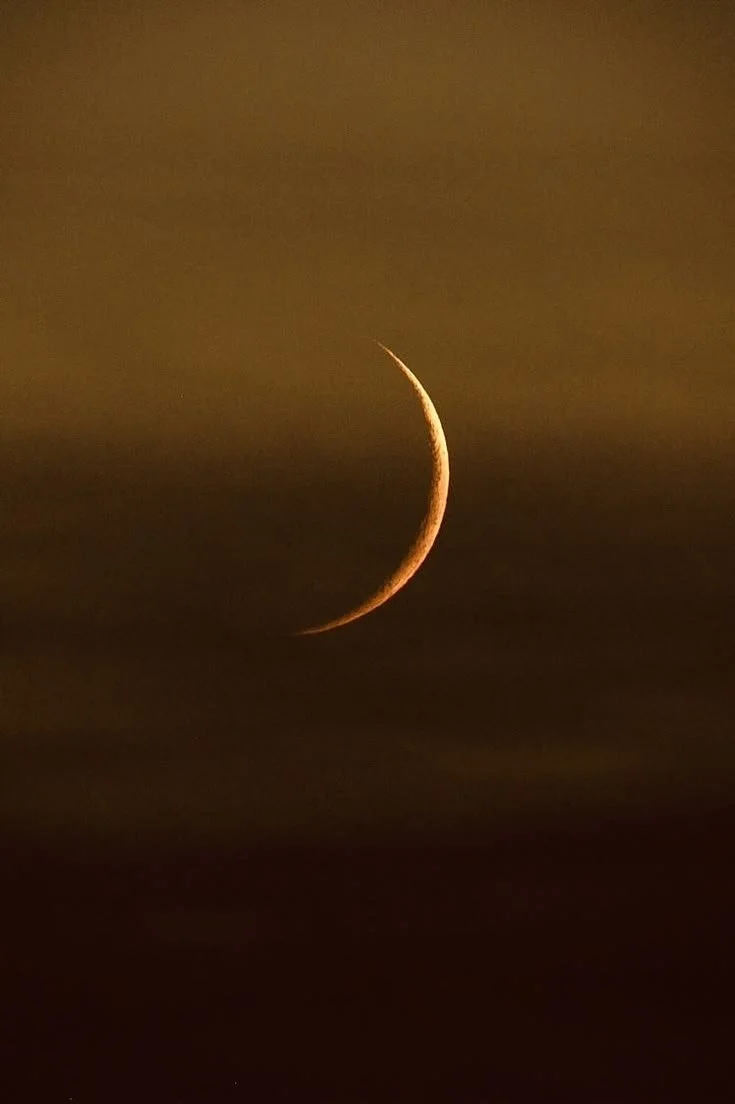
The Menstrual Phase

APANA VAYU · VATA

What's happening: downward energy, potential cramping, fatigue, nervous system needs down-regulation

Apana vayu is the downward and outward current, the same energy responsible for menstruation itself.
During your bleed, this current is already active, already doing its work.

The practice here should support what your body is already doing, and largely, to get out of its way.

We usually lean towards a restorative practice. Supported Baddha Konasana, knees resting on blocks or cushions.
Chest open, arms soft. A gentle seated forward fold, knees bent, no strain in the low back.
Apanasana, knees drawn to chest, literally the pose named for this Vayu.
Closing with legs elevated, or simple stillness in Savasana, longer than you'd usually allow yourself.

Avoid inversions, deep twists and strong core work through this phase.


The Follicular Phase

PRANA VAYU · KAPHA REBUILDING


What's happening:rising oestrogen, energy returning, body ready for structure and steady build again after menstrual rest.

As the bleed ends, oestrogen begins to rise, and with it, a different current takes over.
Prana Vayu moves upward and inward, governing intake and initiation.
This is the phase your body is naturally rebuilding capacity, Kapha's steady, structural quality returning after the Vata movement of menstruation.

The practice can meet that rise instead of holding it back. A steady sequence of sun salutations, paced rather than rushed.
Standing poses held with real intention, Virabhadrasana II, Trikonasana, giving the legs and the breath something to build against.
A gentle backbend, Bhujangasana or, if it feels appropriate, Ustrasana.

A light inversion,Viparita Karani, since energy is genuinely rising and the body can meet a little more now than it could a week earlier.

However, this isn't the phase for intensity. Consider this as a phase for return, for feeling capacity come back into the body
without forcing it there before it's ready.


The Ovulatory Phase

SAMANA VAYU · PITTA PEAK

What's happening: hormonal peak, highest energy and heat, best window for output and intensity but also easiest to overdo.

This is your hormonal peak. Usually the most energy, the most heat, the widest window for output you'll have all month.
It's also the phase most likely to tip into overdoing it, because Pitta at its peak wants intensity, wants to prove something,
wants to keep going past the point of enough.

Samana Vayu sits at the navel, balancing and integrating whatever comes in.
Even at your most energised, the practice here is built around staying gathered rather than burning through everything you have.
A deeper vinyasa flow. Twists that support digestion and integration like Ardha Matsyendrasana.
Balancing poses that literally embody the balancing quality of this Vayu, Vrksasana, Ardha Chandrasana.
If your practice includes arm balances,this is the phase where they belong.
Close with an equal ratio breath, or a cooling breath like Sitali if the season or your own heat calls for it.

Peak energy doesn't mean unlimited energy. Your sequence can honour both truths at once !


The Luteal Phase

VYANA VAYU · VATA–PITTA TRANSITION

What's happening: progesterone rising then falling, increased sensitivity, possible irritability or low mood as the phase progresses,
energy contracting toward the bleed.

Progesterone rises, then begins to fall. For many women, this is the phase where sensitivity increases,
where irritability or a lower mood can surface as the hormonal shift moves through the body.
Vyana Vayu circulates and distributes through the entire system, carrying what the other Vayus bring in out to the whole body.

The practice at this time is about helping that shift move through evenly, rather than letting it gather into overwhelm right before your bleed begins.
A slower paced flow. Grounding standing poses held a little longer than usual, Tadasana variations, a wide-legged forward fold.
Hip openers, Pigeon, Baddha Konasana. Gentle twists.

As the sequence closes, more stillness than the phase before it,
moving the practice gradually back toward the restorative quality menstrual phase will ask for again.

Luteal phase has two distinct halves. Early on, there's still real capacity. By the end, the body is asking for withdrawal again.
Let your practice track that change across the two weeks rather than treating luteal as one flat state.


Please remember :

This isn't a claim that every woman's cycle will match this exactly, or that constitution doesn't matter. Your own uniqueness, your own history, your own body will shape how each phase actually shows up for you and that's not a failure of the framework, or of you.
This is a general map, an orientation, not a fixed rule to measure yourself against. Let your own experience have the final word over anything written on this page (or elsewhere !)

These are also not a substitute for professional medical or mental health care. If you're managing a diagnosed condition, experiencing significant pain, or navigating a health concern related to your cycle, please consult a qualified healthcare provider before adapting your practice around it.

What this post offers instead is a different question to bring to your mat. Not, did I do enough today nor am I keeping up with where I was last week
but rather, what does this phase actually need from me, right now ? How can I support myself, my body in this very moment ?

Four phases. Four currents. The practice was never meant to stay the same through all seasons. Neither were you !

The Seasons Within

Linving in tune with the rhythms of Nature and Self

https://www.theseasonswithin.com.au
Next
Next

Traditional Kitchari Recipe